Ethical Guidelines for AI in Mental Health Support Applications
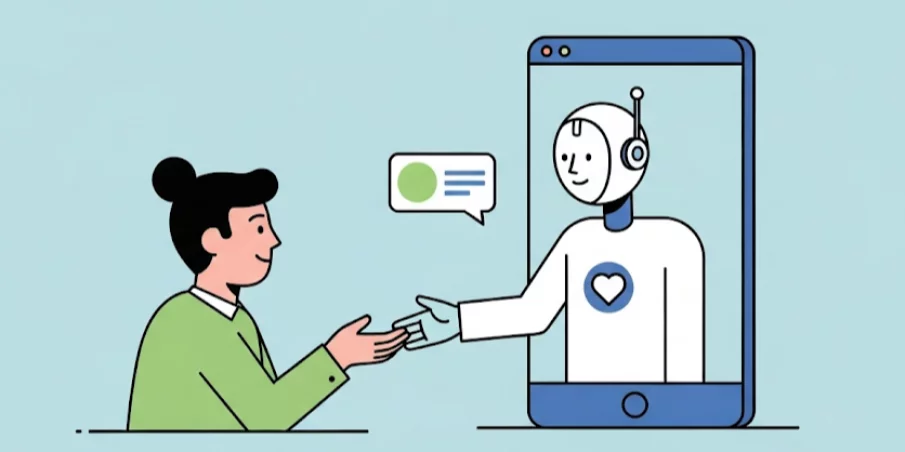
Imagine you're feeling overwhelmed, scrolling through your phone late at night, looking for someone—or something—to help you cope. You stumble across an app promising to guide you through anxiety or depression with the help of artificial intelligence. It sounds amazing, right? Accessible, affordable, and always available. But then you pause. How do you know this app is safe? Is it really looking out for you, or is it just a cleverly designed algorithm chasing your data? These are the kinds of questions that make ethical guidelines for AI in mental health support applications so critical. Let’s dive into what these guidelines are, why they matter, and how they protect you when you’re at your most vulnerable.
Why Ethical Guidelines Matter for AI Mental Health Apps
When you open a mental health app, you’re not just tapping an icon—you’re entrusting it with your emotions, thoughts, and sometimes deeply personal struggles. Unlike a human therapist, who’s bound by years of training and strict ethical codes, AI doesn’t have a conscience or a governing board looking over its shoulder. Without clear rules, these apps could mishandle your data, give bad advice, or even worsen your mental health. Ethical guidelines step in to bridge that gap, ensuring AI acts responsibly and prioritizes your well-being.
Think of it like a seatbelt in a car. You might not notice it when everything’s running smoothly, but if something goes wrong, it’s there to keep you safe. Ethical guidelines for AI in mental health support applications set standards for developers, making sure the technology is built with care, transparency, and respect for users. They address everything from how your data is handled to whether the app’s advice is actually helpful. Without these, you’re essentially riding without a seatbelt, hoping the driver—AI—knows what it’s doing.
The stakes are high in mental health. A poorly designed app could misinterpret your symptoms, push you toward unhelpful solutions, or leave you feeling more isolated. That’s why organizations like the World Health Organization and the American Psychological Association are pushing for strong ethical frameworks to guide AI development. These guidelines aren’t just abstract rules—they’re about making sure you, the user, feel safe and supported.
Key Ethical Principles for AI in Mental Health
So, what exactly do these ethical guidelines cover? They’re built on a handful of core principles designed to protect you and make sure AI is a force for good in mental health support. Let’s break down the big ones.
Privacy and Data Security
Your mental health is private, and any app you use should treat it that way. When you share your feelings with an AI chatbot—say, telling it you’re struggling with anxiety—you’re handing over sensitive information. Ethical guidelines demand that developers protect this data like it’s Fort Knox. This means using strong encryption, limiting who can access your information, and being crystal clear about what happens to it.
Imagine you’re writing in a diary, but instead of locking it away, someone could pick it up and read it—or worse, sell it. That’s the risk with poorly regulated apps. Some companies might collect your data to target you with ads or share it with third parties, which is a huge breach of trust. Guidelines insist on strict data privacy measures, like those outlined in regulations such as the General Data Protection Regulation (GDPR), to ensure your information stays safe. They also push for apps to let you opt out of data collection or delete your data if you choose to stop using the service.
Informed Consent
Ever clicked “I agree” on an app’s terms without reading them? We’ve all been there. But when it comes to mental health apps, you need to know exactly what you’re signing up for. Ethical guidelines require apps to explain, in plain language, how they work, what data they collect, and what risks might come with using them. This is called informed consent, and it’s about giving you the power to make decisions about your care.
For example, an app should tell you if its AI is experimental or hasn’t been fully tested. It should also explain if your chats are being used to train the AI to get better. Without this transparency, you might think you’re getting expert advice when you’re actually part of a tech experiment. Guidelines push for clear, user-friendly explanations so you can decide if the app is right for you.
Avoiding Bias and Ensuring Fairness
AI isn’t magic—it’s only as good as the data it’s trained on. If that data is skewed, the AI can end up giving biased advice that doesn’t work for everyone. Ethical guidelines call for developers to root out bias and make sure their apps are fair and inclusive. This is especially important in mental health, where people from different backgrounds might experience symptoms or seek help in unique ways.
Picture an AI trained mostly on data from one cultural group. If you don’t fit that mold, it might misread your needs or suggest solutions that don’t make sense for you. For instance, an app might assume everyone expresses depression the same way, missing signs in someone from a culture that values emotional restraint. Guidelines encourage developers to use diverse datasets and test their apps across different groups to ensure they’re equitable.
Transparency and Accountability
When an AI gives you advice, you should know where it’s coming from. Is it based on solid research, or is it just stringing words together to sound helpful? Ethical guidelines demand transparency, meaning developers need to explain how their AI makes decisions. They also need to be accountable if something goes wrong—like if the app gives harmful advice or fails to flag a crisis.
Think of it like a doctor explaining why they’re prescribing a certain medication. You’d want to know it’s backed by science, not just a guess. Similarly, mental health apps should make it clear whether their recommendations come from proven methods, like cognitive behavioral therapy, or if they’re less reliable. If an app messes up, developers should have systems in place to fix it and prevent it from happening again.
Safety and Effectiveness
An AI mental health app isn’t just a cool gadget—it’s a tool that can impact your well-being. Ethical guidelines stress that these apps need to be safe and actually work. This means they should be tested rigorously, like a new medication, to make sure they help more than they harm. Developers need to show evidence that their app can support users effectively, whether it’s reducing anxiety or helping with mindfulness.
Consider an app that claims to help with depression but hasn’t been tested on real people. If it gives generic advice that doesn’t work, you might feel worse, thinking you’ve “failed” at getting better. Guidelines push for clinical validation, meaning apps should be studied to prove they’re effective. They also require safeguards, like connecting users in crisis to human support, such as the 988 Suicide and Crisis Lifeline.
How Guidelines Are Put Into Practice
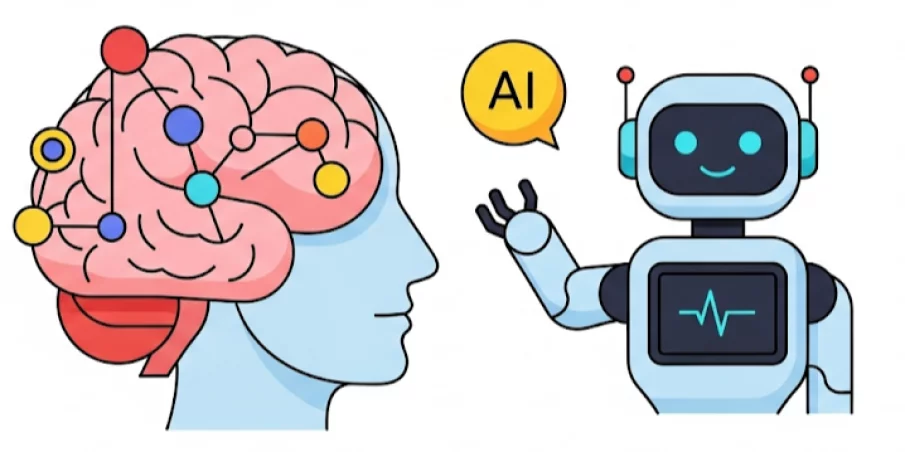
It’s one thing to have ethical principles, but how do they actually show up in the apps you use? Developers, regulators, and mental health experts work together to turn these ideas into real-world protections. Let’s look at how this happens.
Collaboration with Mental Health Professionals
The best AI mental health apps aren’t built by tech wizards alone—they involve psychologists, therapists, and other experts. Ethical guidelines encourage developers to team up with mental health professionals to ensure their apps are grounded in proven practices. For example, an app offering mindfulness exercises should be designed with input from therapists who know what techniques work best.
This collaboration is like having a chef and a nutritionist work together to make a healthy meal. The chef (the developer) makes it taste good, while the nutritionist (the mental health expert) ensures it’s good for you. By working together, they create apps that are both user-friendly and clinically sound.
Regular Testing and Updates
AI isn’t a set-it-and-forget-it technology. Ethical guidelines call for ongoing testing to make sure apps stay safe and effective as they evolve. This might mean running studies to see how users respond or updating the AI to fix biases. It’s a bit like maintaining a car—you need regular check-ups to keep it running smoothly.
For instance, if users report that an app’s chatbot feels dismissive, developers should investigate and tweak the AI to be more empathetic. This continuous improvement helps ensure the app remains a reliable tool for mental health support.
User-Centered Design
Ethical guidelines emphasize putting you, the user, at the heart of the app. This means designing apps that are easy to use, culturally sensitive, and respectful of your needs. For example, an app might offer multiple language options or let you customize how it communicates with you. It’s about making sure the app feels like a supportive friend, not a cold machine.
User-centered design also involves listening to feedback. If users say an app’s interface is confusing or its tone feels off, developers should take that seriously and make changes. This approach helps build trust and ensures the app truly meets your needs.
Challenges in Enforcing Ethical Guidelines
Even with strong guidelines, there are hurdles to making sure every AI mental health app follows them. The tech world moves fast, and not all developers play by the rules. Let’s explore some of the biggest challenges.
Lack of Universal Standards
Right now, there’s no single set of ethical guidelines that every developer has to follow. Different countries and organizations have their own rules, which can create gaps. For example, an app built in one country might not meet the privacy standards of another, leaving users vulnerable. This patchwork approach makes it hard to ensure consistent protection worldwide.
It’s like trying to play a game where everyone’s following different rules. Until there’s a global standard, some apps might slip through the cracks, prioritizing profit over ethics.
Balancing Innovation and Safety
Developers are eager to push the boundaries of AI, but innovation can sometimes outpace safety. An app might roll out a flashy new feature—like real-time mood tracking—before it’s been fully tested. Ethical guidelines aim to slow this down, ensuring new features are safe before they reach you. But striking a balance between creativity and caution is tricky.
Imagine a chef experimenting with a new recipe. It might taste amazing, but if they haven’t checked the ingredients for allergens, it could make someone sick. Similarly, developers need to test their innovations thoroughly to avoid unintended harm.
Regulating Unintended Use
Some AI chatbots weren’t designed for mental health but end up being used that way. For example, a general-purpose chatbot might start giving advice to someone in distress because users turn to it for help. Ethical guidelines struggle to address these unintended uses, as they’re often outside the developer’s original plan.
This is like using a kitchen knife to open a package—it might work, but it’s not what the tool was made for, and it could be risky. Regulators are starting to push for oversight of these apps, but it’s a complex problem that’s still unfolding.
What You Can Do to Stay Safe
While developers and regulators work on ethical guidelines, you have a role to play in protecting yourself. Here are a few practical steps to make sure the AI mental health apps you use are trustworthy.
First, do a little detective work before downloading an app. Check who made it and whether they’ve partnered with mental health experts. Look for privacy policies that explain how your data is handled, and avoid apps that are vague or overly complicated. You can also read user reviews to see if others have had positive experiences.
Second, pay attention to how the app makes you feel. If it’s pushing you to share too much or giving advice that feels off, trust your instincts and stop using it. A good app should feel supportive, not stressful. Finally, if you’re in crisis, don’t rely on AI alone—reach out to a human professional or a helpline like 988 for immediate support.
Wrapping It Up
Ethical guidelines for AI in mental health support applications are like a safety net, catching you when technology gets messy. They ensure your data is protected, your voice is heard, and the app you’re using is actually helping. By focusing on privacy, fairness, transparency, and safety, these guidelines make AI a tool you can trust when you need it most.
As you navigate the world of mental health apps, keep these principles in mind. They’re there to empower you, giving you the confidence to seek support without worrying about what’s happening behind the screen. With the right guidelines in place, AI can be a powerful ally in your mental health journey, offering help that’s both accessible and ethical.